Professional Insights on tooth implant cost with modern implant dentistry solutions
Professional Insights on tooth implant cost with modern implant dentistry solutions
Blog Article
Tooth Implant: All the information You Need to Know for a Successful Procedure
Dental replacement teeth deliver a robust solution for individuals suffering from tooth loss. They comprise a titanium post that bonds with the jawbone, providing stability. Nevertheless, not everyone is suitable for this operation. Elements such as bone health and oral hygiene serve as significant factors in candidacy. Comprehending the process and what to foresee can minimize potential concerns. As one advances through the details, questions about suitability and recovery naturally occur.

What Is a Dental Implant and How Does It Function for You?
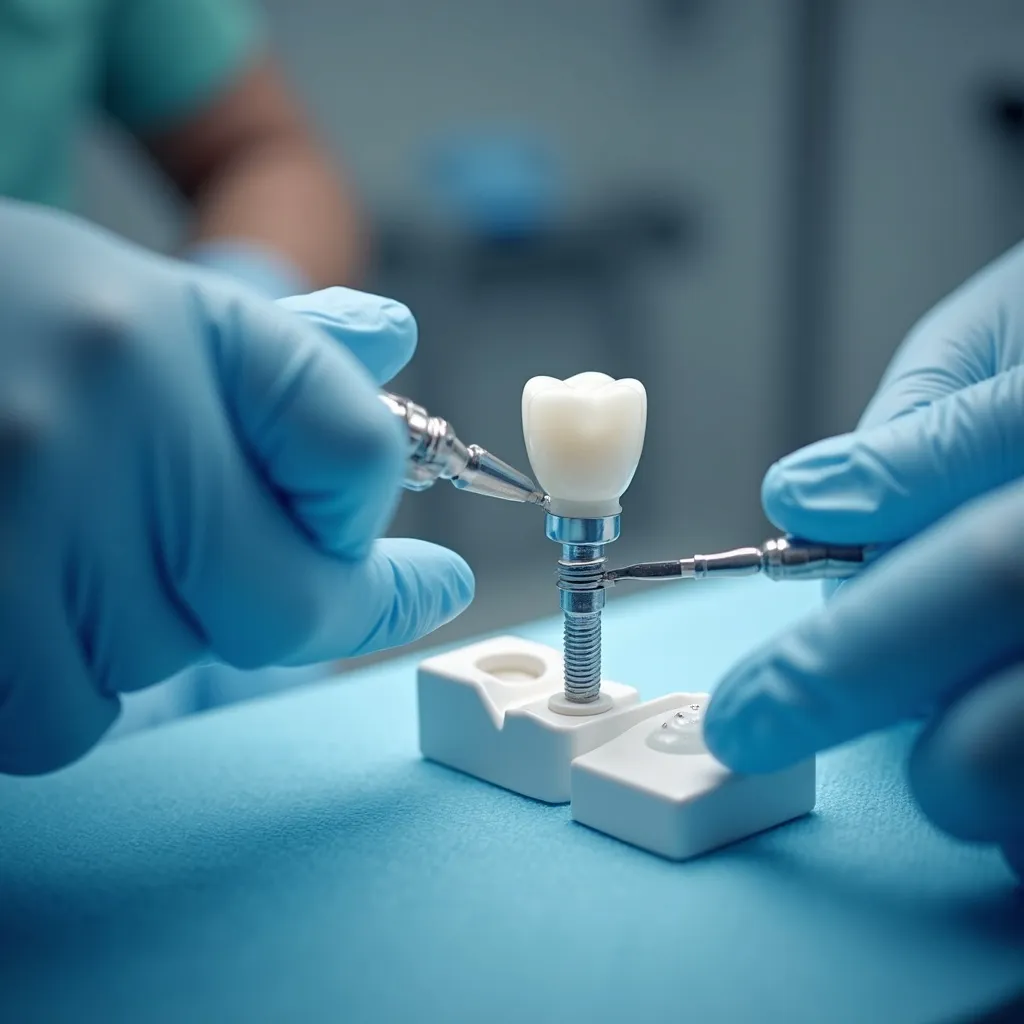
A tooth implant provides a modern solution for people experiencing tooth loss. This oral treatment involves placing a titanium post into the jawbone, which serves as a substitute root for a missing tooth. Over time, the jawbone fuses to the post through a process known as osseointegration, delivering a stable foundation. Once the implant has fully integrated, a custom-made crown is affixed, replicating the appearance and function of a natural tooth.
Tooth implants offer several benefits, including enhanced masticatory function and better aesthetics. They also reduce bone loss, which can occur after tooth loss. Unlike traditional dentures, implants do not move or require adhesives, making them a more stable option. With proper care, such as regular dental check-ups and good oral hygiene, tooth implants can last for many years, offering a long-term solution for restoring both functionality and appearance to a person’s smile.
Who Makes a Qualified Prospect for Dental Implants?
Determining qualification for tooth implants involves assessing several key factors. Candidates typically include individuals who have lost one or more teeth due to injury, decay, or periodontal disease. A healthy jawbone is vital, as it provides the necessary support for the implant. Those with sufficient bone density may be ideal candidates, while individuals with significant bone loss may require additional surgical interventions, such as bone grafting.
Additionally, patients must maintain good oral hygiene and stay committed to regular dental visits. Age can factor in; while there is no strict upper explore now age limit, younger candidates should wait until their jawbone has reached full maturity. Medical conditions, such as uncontrolled diabetes or certain autoimmune disorders, may affect eligibility. Ultimately, a comprehensive examination by a dental professional will ascertain if tooth implants are a appropriate choice for the individual, ensuring optimal long-term success.
What Occurs During Your Tooth Implant Procedure?
Having dental implant surgery can be a life-changing process for individuals looking to regain their smile. This procedure typically involves several stages, beginning with a thorough consultation and imaging to evaluate bone structure. Once determined appropriate, the patient is given anesthesia to guarantee comfort.
The initial stage in the process is the surgical insertion of the titanium implant into the jawbone, which functions as the synthetic root structure. This is succeeded by a recovery phase, allowing the implant to integrate with the bone. After adequate healing, an abutment is attached, which will hold the crown.
Patients may encounter some swelling and discomfort post-surgery, but this is typically manageable with medications prescribed by your doctor. A customized crown is then crafted and affixed to the abutment, finishing the process. In summary, the dental implant procedure is carefully planned and executed, aiming for superior results and patient satisfaction.
What to Anticipate for Recovery After Having Tooth Implant Procedures?
Recovery after tooth implants advances in separate stages, each essential for proper recovery. Initially, patients may encounter swelling, bruising, and discomfort, which are normal reactions to the surgical procedure. Discomfort control often includes prescription drugs or over-the-counter pain relievers.
Throughout the beginning period, soft foods are recommended to decrease irritation and aid recovery. As the weeks unfold, the implant progressively fuses with the bone, a process identified as osseointegration, which is necessary for prolonged durability.
Follow-up sessions are often planned to review mending and verify the implant's proper integration. Patients are cautioned to maintain excellent mouth cleanliness, circumventing forceful brushing on the operative site.
The complete healing timeframe may span a number of months, depending on personal situations. Patience and adherence to aftercare guidelines are essential for achieving the intended result and securing the implant's longevity.
Vital Techniques for Supporting Your Tooth Implants
Maintaining tooth implants is important for their long-term success and general oral health. Daily oral hygiene practices, including brushing and flossing, help preserve the structural integrity of the implants and surrounding tissues. Additionally, regular dental check-ups are necessary to monitor the condition of the implants and address any emerging problems in a timely manner.
Daily Mouth Dental Care Routines
Consistent dental care habits are critical for ensuring the proper function and endurance of tooth implants. Implant users should brush their teeth at least twice each day with a soft toothbrush and non-abrasive toothpaste. Flossing is similarly important; implant-specific floss or interdental brushes can remove debris around implants effectively. Rinsing with an bacteria-fighting mouthwash can assist in reducing plaque buildup and preventing infections. It is important to avoid stiff brushes or abrasive products, as these may damage the implant surface. Moreover, staying adequately hydrated can aid saliva production, which is important for oral health. By sticking to these daily practices, implant users can greatly extend the lifespan of their tooth implants and support overall dental well-being.
Frequent oral check-ups allow sustain healthy dentition and gums. Dentists propose scheduling visits each 6 months for optimal oral health.
Preserving oral hygiene at home is merely one element in ensuring the effectiveness of tooth implants. Scheduled dental exams are important for monitoring the condition of both implants and their surrounding tissues. A dental professional can detect early signs of problems, such as infections or bone loss, before they worsen. Typically, patients should plan visits every six months, though those with implants may need more frequent evaluations. At these appointments, the dentist will carry out thorough cleanings and examine the implant’s stability. Additionally, a professional can offer personalized advice regarding care routines and dietary choices that promote long-term implant success. In the end, regular check-ups greatly aid maintaining both oral health and the longevity of tooth implants.
Debunking Popular Myths About Tooth Implants
Although numerous individuals view tooth implants a practical solution for missing teeth, several misconceptions encompass their effectiveness and safety. One typical myth is that implants are extremely painful; however, most patients indicate only mild discomfort during and after the procedure, handled effectively with anesthesia and pain relief.
A frequent misunderstanding is that implants require extensive maintenance. In reality, they can be cared for just like natural teeth, demanding consistent brushing, flossing, and periodic dental appointments.
Moreover, some believe that advanced age disqualifies individuals from receiving implants. In reality, as long as adequate bone density exists, senior citizens can gain equal benefit from this treatment.
Lastly, various people fear that implants will look unnatural. In fact, modern implants are designed to fuse seamlessly with existing teeth, ensuring an aesthetically pleasing result. By dispelling these myths, individuals can make smart decisions about tooth implants as a realistic option for restoring their smiles.
Comprehending the Price Tag of Tooth Implants
Grasping the financial implications tied to tooth implants necessitates several vital factors. These comprise the particular components influencing pricing, the significance of insurance coverage, and available financing solutions. A detailed analysis of these elements can enable individuals to render informed financial decisions about their dental health.
Factors Modifying Implant Expenses
Numerous factors influence the price of tooth implants, making it crucial for individuals to be informed about these considerations. One significant element is the type of implant chosen, as options vary in material and complexity. The experience and proficiency of the dental professional also play a critical role, with experts generally charging higher fees. Location impacts costs, with urban areas often having elevated prices than rural areas. Additionally, the need for preliminary procedures, such as bone grafts or extractions, can raise overall costs. Finally, the caliber of materials used for abutments and crowns contributes to the final price. Recognizing these factors can help individuals take informed decisions regarding their tooth implant investments.
Insurance Protection Aspects
How do insurance policies impact the financial burden of tooth implants? Many dental insurance plans provide limited coverage for implants, often classifying them as optional treatments. This can leave patients confronting significant out-of-pocket expenses. Typically, plans may cover a percentage of related costs, such as consultations or initial procedures, but not the implants themselves. Additionally, some policies may have waiting periods or annual maximums that additionally hinder budget management. Patients should examine their individual plan information and think about reaching out to their insurance companies to explain benefits. Understanding these factors is crucial for effective budgeting, as the overall financial responsibility differs significantly based on individual insurance plans and benefit maximums.
Financing Solutions Available
Which payment options are provided for patients considering tooth implants? There are various options to assist with the costs related to this dental procedure. Many dental practices offer in-house financing plans, enabling patients to pay in installments rather than a lump sum. Moreover, third-party financing organizations provide loans specifically for dental services, often accompanied by flexible repayment terms. Additionally, some patients may explore health savings accounts (HSAs) or flexible spending accounts (FSAs) as means to cover expenses. Another choice is credit cards, though patients must consider the interest rates. Finally, patients should discuss these financing methods with their dental providers to decide the best fit for their financial situation, ensuring access to essential dental care without unnecessary financial pressure.
Common Inquiries Asked Regularly
What Is the Typical Lifespan of Tooth Implants?
Dental implants commonly last from 10 to 15 years, though many can remain much longer with appropriate maintenance. Factors impacting longevity include dental hygiene, lifestyle habits, and individual health conditions affecting the jawbone.
Can Dental Implants Fail, and Why?
Dental implants may not succeed because of numerous reasons, such as inflammatory response, low bone volume, faulty positioning, or not following post-operative care guidelines. Comprehending these risks is vital to obtain long-term success with dental implants.
Are There Substitutes to Dental Implants?
Certainly, replacements for tooth implants can be found. Options feature dentures, dental bridges, and resin-bonded bridges. Each solution presents different pros and cons, letting individuals to choose based on their particular dental needs and preferences.
Does Your plan Cover Dental Implant Expenses?
Protection for dental implants under insurance differs significantly based on your plan. Some policies may help pay for expenses, but others might exclude them from coverage altogether. Individuals should consult their insurance provider to learn specific coverage details and limitations.
Can smokers receive tooth implants with positive results?
Individuals who smoke can get tooth implants successfully, but their smoking habit boosts the chance of complications, such as contamination and implant failure. Meeting with a dental expert for personalized advice is vital for superior results.
Report this page